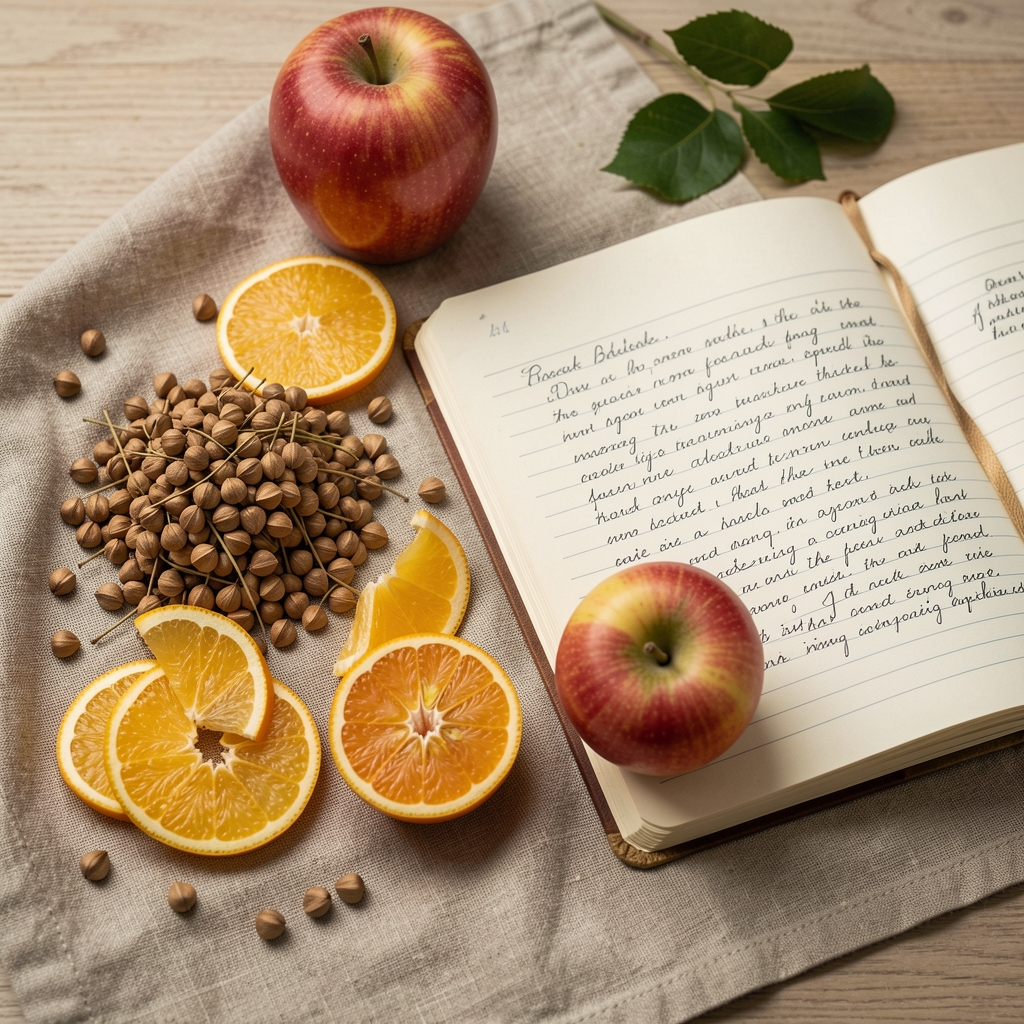
1. What Is Rutin & Where Is It Found?
Rutin is a citrus flavonoid combining the flavonol quercetin with the disaccharide rutinose. It serves as a natural pigment and protective antioxidant in plants. Major dietary sources include:
- Buckwheat (Fagopyrum esculentum): One of the richest culinary sources, widely used in flour, noodles (soba), and groats;
- Citrus Fruits: Particularly concentrated in the white spongy inner peel (albedo) of oranges, lemons, and grapefruits;
- Apples & Berries: Present mainly within the fruit skin alongside other polyphenols;
- Asparagus, Green Tea, & Capers: Providing additional dietary bioflavonoid intake.
2. Microvascular & Capillary Health
Capillaries are the smallest blood vessels in the human body, bridging arterioles and venules. Because capillary walls consist of a single layer of endothelial cells supported by a basement membrane, they are naturally delicate.
In nutritional pharmacology, flavonoids including rutin have been studied for their ability to scavenge free radicals and support endothelial barrier integrity in vitro. However, obtaining rutin from regular whole-food meals provides a complex array of complementary vitamins (such as vitamin C) that naturally enhance bioflavonoid bioavailability.
3. Comparing Dietary Intake & Supplements
| Format | What It Provides | Editorial Context |
|---|---|---|
| Whole Foods | Rutin embedded with fiber, vitamin C, and polyphenols | Ideal for long-term daily dietary balance |
| Extracts & Complexes | Concentrated bioflavonoid milligram dosages | May require label verification and healthcare guidance |
Key Takeaways
- Rutin is a natural bioflavonoid present across everyday foods like buckwheat, citrus, and apples.
- Consuming a colourful, plant-rich diet naturally supports microvascular nutrient delivery.
- Dietary supplements require label diligence and should not be used as a substitute for professional medical care.
Medical Disclaimer
This article is published for informational and educational purposes only and is not medical advice. Always seek the advice of your GP or another qualified healthcare provider with any questions you may have regarding a medical condition or dietary changes.
Related Reading
Ginkgo Biloba and Circulatory Wellness — An Evidence-Based Review →
The Role of Exercise in Vascular Health After 40 →