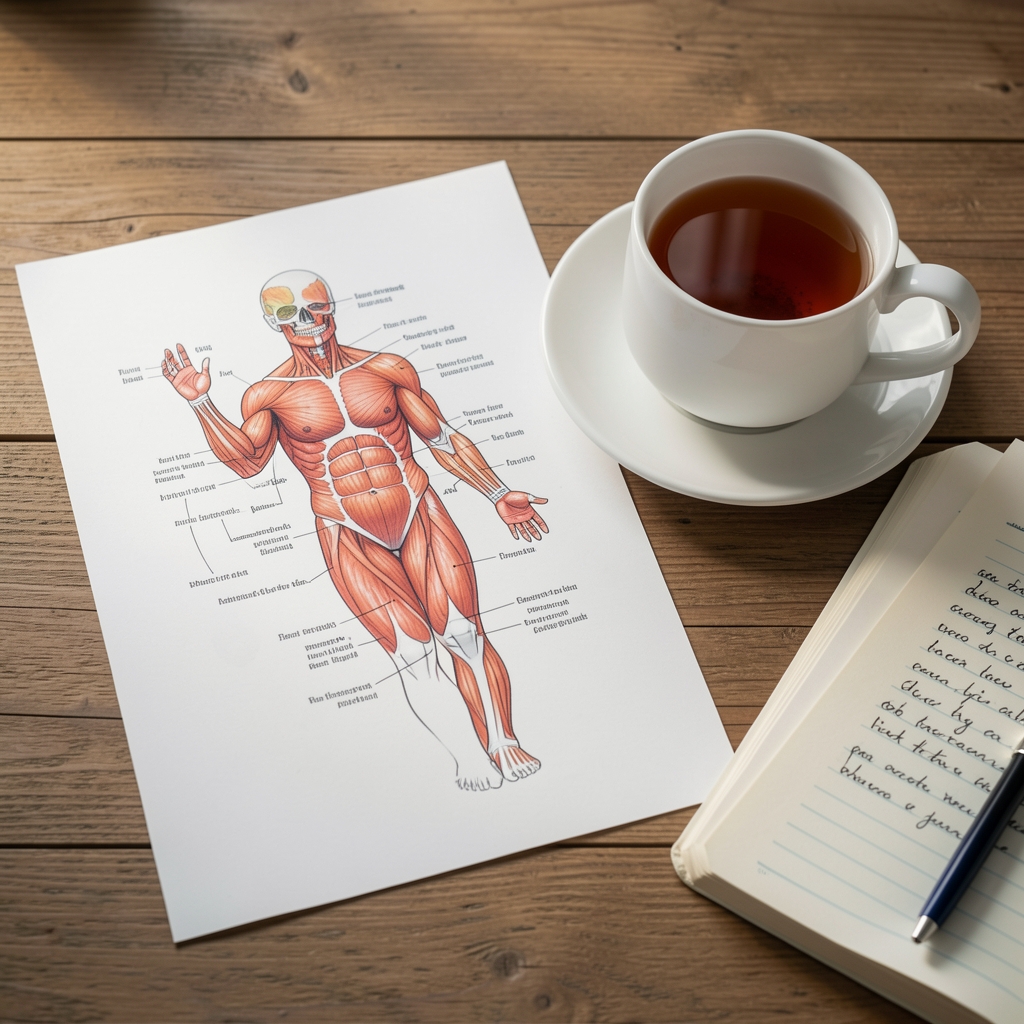
1. What the Cardiovascular Network Encompasses
The circulatory system operates as an intricate network of blood vessels delivering oxygen, glucose, hormones, and immune cells to bodily tissues while carrying away metabolic by-products. The major components include:
- Arteries: Muscular, elastic vessels that transport oxygenated blood under pressure away from the heart.
- Veins: Thinner-walled vessels equipped with one-way valves that return deoxygenated blood to the heart and lungs.
- Capillaries: Microscopic vessels, often one cell thick, where the vital exchange of gases and nutrients occurs.
Understanding this architecture helps explain why sensations in the feet, hands, or legs can reflect wider cardiovascular and metabolic influences rather than an isolated local issue.
2. Natural Ageing Shifts in Midlife
Ageing is a gradual, multifaceted physiological process influenced by genetics, lifetime physical activity, sleep quality, stress levels, nutrition, and environmental factors. As adults progress through their 40s and 50s, scientific studies commonly observe:
- Gradual Changes in Arterial Elasticity: Natural shifts in the ratio of collagen and elastin fibers within vessel walls can modestly reduce arterial compliance.
- Endothelial Function: The inner lining of blood vessels (the endothelium), which produces nitric oxide to regulate vessel dilation, may experience subtle decreases in responsiveness.
- Venous Valve Efficiency: Sustained sitting or prolonged standing over decades can place cumulative pressure on venous return in the lower extremities.
3. The Interplay of Nutrition & Movement
General public health guidance in the UK consistently emphasises dietary diversity and routine movement. Rather than looking for single "miracle foods", cardiovascular researchers highlight broader dietary patterns rich in leafy vegetables, omega-3 fatty acids, polyphenols, and dietary fibre.
Similarly, regular physical activity — ranging from brisk walking in Belfast parks to swimming and resistance training — promotes vascular remodelling, supports healthy blood pressure ranges, and stimulates muscular venous pumps.
Key Takeaways
- Circulation is an integrated physiological network, not an isolated sensation.
- Subtle changes in vessel elasticity and recovery are a natural part of midlife ageing.
- Sustainable daily movement and whole-food nutrition support vascular health over time.
- General editorial reading cannot assess individual health status; always discuss specific concerns with your GP.
4. Practical Questions for Your GP
When discussing cardiovascular and circulation wellness with your doctor, having structured questions can lead to clearer guidance:
- What routine checks (such as blood pressure, lipid profiles, and HbA1c) are recommended for my age group?
- How should my family medical history shape my cardiovascular prevention strategy?
- Are there specific intensity guidelines I should follow before starting a new exercise routine?
Medical Disclaimer
This article is published solely for educational and informational purposes and does not constitute medical advice. Always consult your GP or a qualified healthcare professional before making changes to your diet, exercise, or lifestyle habits.
Related Reading
The Role of Exercise in Vascular Health After 40 →
Omega-3 and Vascular Wellness — An Editorial Overview →